
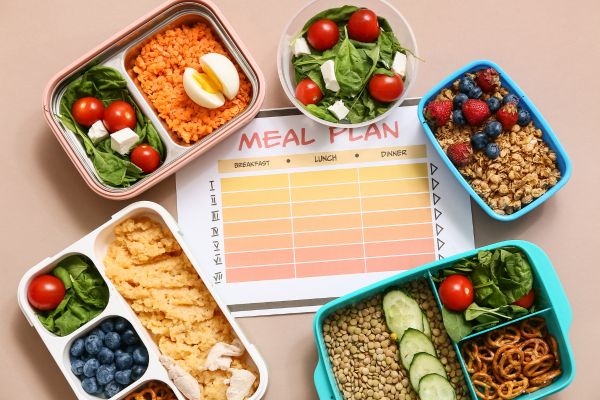
If you’ve been thinking about building muscle, boosting energy, or simply feeling stronger on a plant-based diet, you’re definitely not alone. More people than ever are leaning toward a vegan lifestyle—some for health, some for the planet, and others because, let’s be real, they just feel better eating plants. Whatever your reason, crafting a vegan fitness meal plan that actually supports your strength and performance goals doesn’t have to feel complicated. In fact, once you understand how plant-based foods work together, it becomes surprisingly intuitive.
So let’s break it all down in a natural, real-world way, without the overly polished corporate vibes or that stiff, robotic tone you’re probably tired of seeing online.
Understanding What a Vegan Fitness Meal Plan Really Means
A vegan fitness meal plan isn’t just a regular vegan diet with protein powder thrown on top. It’s a structured approach to eating that ensures you get enough protein, complex carbs, healthy fats, vitamins, and minerals to actually fuel your workouts. The thing is, many beginners assume vegan meals are automatically low-protein or too light for athletic goals. But that’s just not true. When balanced right, plant-based meals can be just as powerful as any traditional diet—sometimes even better because they’re often naturally anti-inflammatory.
You know that sluggish feeling you get after eating something heavy? Most vegan athletes notice the opposite. Their meals leave them feeling lighter, more energized, and ready to power through long training days. And that’s kind of the whole point here: eating foods that work with your body instead of slowing it down.
Why a Vegan Fitness Meal Plan Works for Strength and Muscle
If you’ve ever wondered whether you can get enough protein on a vegan fitness meal plan, the short answer is yes—easily. The longer answer is that you simply need to be more intentional with your choices. Plants contain all essential nutrients; it’s just about eating the right combinations and enough total calories.
What many people don’t realize is that plant-based protein sources often come with added perks. Think fiber that supports better digestion, antioxidants that help muscle recovery, and nutrients like magnesium and potassium that support muscle function. So you’re not just eating for strength. You’re eating for overall wellbeing.
And let’s be real, when you feel good internally, training gets easier. Workouts feel smoother. Even sleep improves because your body isn’t bogged down digesting heavy, greasy foods. All of this plays a massive role in performance, even if we don’t talk about it enough.
Building the Foundation of Your Vegan Fitness Meal Plan
Before diving into what a daily vegan menu might look like, it helps to understand the core building blocks you’ll be relying on. Instead of memorizing some strict formula, think of it more like choosing the right combination of protein foods, energy sources, and recovery boosters.
Protein naturally gets the spotlight in any fitness plan, and with good reason. But carbs—especially slow-digesting carbs—are what fuel your workouts. And healthy fats keep your hormones balanced, which matters way more for strength than people realize.
A strong vegan fitness meal plan usually centers around foods like tofu, tempeh, lentils, beans, chickpeas, edamame, quinoa, nuts, seeds, and high-protein plant milks. These become your go-to building blocks. Then you layer in vegetables, fruits, whole grains, and plant-based extras that round out the nutrient profile.
If this sounds simple, that’s because it genuinely is. Sometimes we overcomplicate nutrition so much that it becomes intimidating. But truthfully, if you’re eating a variety of whole foods, you’re already halfway there.
A Realistic Day on a Vegan Fitness Meal Plan
Imagine waking up and starting your day with something warm, energizing, and satisfying. A bowl of oats cooked in soy milk with peanut butter, chia seeds, and fresh berries might seem simple, but each ingredient brings value. You’ve got protein, complex carbs, omega-3s, antioxidants, and fiber—all in one bowl. That’s the beauty of plant-based eating: nutrient density without trying too hard.
Later in the day, you could load up on chickpea salads, lentil stews, or tofu stir-fries. These meals pack protein naturally, but they also deliver minerals your muscles actually rely on, like iron and zinc. And let’s be real here—the flavors are limitless. A well-seasoned tofu dish hits differently when you’re hungry after a workout.
Dinner could look like quinoa with roasted vegetables, black beans, and a drizzle of tahini. Or maybe a hearty vegan pasta with a lentil-based sauce. Many people assume vegan food is bland, but honestly, once you start exploring spices, herbs, and sauces, it becomes fun. You’ll probably surprise yourself with how flavorful these meals can be.
A successful vegan fitness meal plan doesn’t require perfection. It just requires consistency. A mix of proteins, carbs, and fats throughout the day—simple as that.
Getting Enough Protein Without Stressing About It
There’s this myth floating around that vegans need to “combine” proteins at every meal to get complete amino acids. That idea is outdated. Your body pulls amino acids from your food throughout the day, not just within a single plate. So as long as you’re eating a wide variety of plant-based proteins, you’re covered.
What might help is making sure each main meal includes at least one solid protein source. This could be tofu at lunch, lentils at dinner, or a protein smoothie after your workout. Speaking of smoothies, they’re honestly one of the easiest tools in any vegan athlete’s routine. You can blend fruits, plant milk, spinach, oats, flaxseeds, and a scoop of vegan protein powder, and there you go—fuel that tastes good and works even better.
The key is not to overthink it. The more relaxed you are about your meal planning, the more naturally it becomes a lifestyle rather than a chore.
Energy and Recovery Support on a Vegan Fitness Meal Plan
Working out regularly means your body needs steady energy and predictable recovery. That’s where your complex carbs and micronutrients step in. Foods like sweet potatoes, brown rice, whole-grain breads, bananas, and even dates can power your body through long gym sessions or tough cardio days.
One thing many beginners overlook is the importance of iron and B12. While plant foods offer iron, the absorption rate differs compared to animal products. Adding vitamin C to your meals helps a lot, and supplementing B12 is pretty much essential. It’s not a vegan thing—most people are deficient without realizing it.
Post-workout meals matter too. A combination of protein and carbs helps replenish your glycogen stores and starts muscle repair. You don’t need expensive shakes or fancy supplements. Sometimes a tofu scramble with avocado and toast does the job better than anything packaged.
And hydration? Absolutely non-negotiable. Coconut water, herbal teas, or plain water with electrolytes can support recovery and prevent that drained, heavy feeling after intense sessions.
Making Your Vegan Fitness Meal Plan Sustainable
A meal plan only works if you can actually stick with it. That’s why flexibility is so important. Life gets busy, schedules change, cravings happen, and honestly, no one wants to feel restricted. A big mistake people make is trying to be too perfect from day one.
You don’t need gourmet meals every day. There will be mornings when you throw together a quick smoothie and call it breakfast. Or nights when reheating leftovers is the only thing you have energy for. And that’s normal. The goal is to build habits that fit into your lifestyle, not take over your life.
The more you explore plant-based options, the easier it becomes to customize your vegan fitness meal plan in ways that feel enjoyable rather than forced. And enjoyment is the secret to long-term success.
Final Thoughts: Strength, Energy, and a Lifestyle That Feels Good
Switching to a vegan fitness meal plan might feel like a big shift at first, but once you get into the rhythm, it opens up a whole new world of flavor, energy, and health benefits. You start to realize that eating for fitness isn’t about restriction but about choosing foods that truly support your body.
At the end of the day, building strength on a vegan diet isn’t just possible—it’s empowering. It proves that plants can fuel performance, muscle growth, and an active lifestyle just as well as traditional diets, if not better. And once you feel the difference in your training, your energy, and even your mood, you’ll understand why so many people stick with it long-term.
So take it slow, listen to your body, and remember that progress happens one meal at a time. Your journey to strength and wellness can absolutely be powered by plants—and your vegan fitness meal plan is the first step in making that happen.