
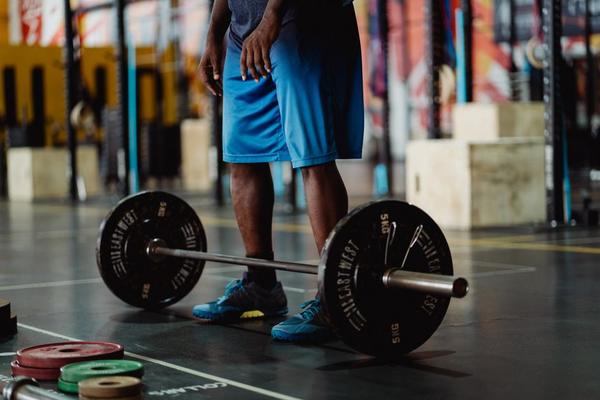
The deadlift has an unfair reputation. Many beginners see a loaded barbell, hear stories about lower-back injuries, and assume the movement is only for experienced lifters. In reality, the conventional deadlift is learnable when you begin with an appropriate load and treat the setup as the most important part of every repetition. Good deadlift form for beginners is less about maximum effort and more about creating a stable position before the bar leaves the floor.
Start with an empty bar, light bumper plates, or a raised bar if reaching the floor comfortably is difficult. Your first goal is a repeatable movement, not a personal record.
What a Conventional Deadlift Should Look Like
In a conventional deadlift, your feet are roughly hip-width apart, your hands grip the bar outside your legs, and the bar travels from the floor to a standing position. Your hips and knees extend together while your trunk remains braced. At the top, stand tall without leaning backwards.
The movement is not a deep squat and it is not a stiff-legged pull. Your starting hip height sits between those extremes.
Build Your Deadlift Setup Step by Step
Position Your Feet Under the Bar
Stand with the middle of each foot beneath the barbell. For most people, this leaves the bar a few centimetres from the shins. Keep your feet around hip-width apart and point your toes mostly forwards, allowing a small outward angle if it feels natural.
Starting with the bar too far away makes the pull less efficient and increases the demand on your back. Once the bar is positioned, avoid rolling it forwards.
Hinge and Take Your Grip
Push your hips backwards, then bend your knees enough to reach the bar. This hip hinge technique helps load the muscles around the hips instead of turning the movement into a squat. Grip the bar just outside your legs. A double-overhand grip is usually best for learning.
Your arms should remain straight and act like strong straps. Do not bend your elbows or try to curl the bar.
Bring Your Shins to the Bar
After gripping the bar, bend your knees slightly until your shins lightly touch it. Keep the bar over the middle of your feet rather than pushing it forwards. Your shoulders will usually sit slightly in front of the bar.
Lift your chest gently without dropping your hips or creating an exaggerated arch. Keep your neck comfortable by looking at the floor several feet ahead.
Brace and Remove the Slack
Take a breath into your abdomen and sides, then tighten your trunk as though preparing to absorb a firm push. The brace should make your torso feel solid while keeping your spine in a controlled position.
Pull upwards gently until you feel the barbell, your arms, and your body connect, but do not lift the bar yet. Removing the slack prevents a sudden jerk and helps confirm that your balance is centred over the whole foot.
How to Lift the Bar From the Floor
Push the floor away with your feet while keeping the bar close to your legs. Your hips and shoulders should rise together during the first part of the pull. If your hips shoot upwards before the bar moves, the exercise becomes a harder, back-dominant pull.
As the bar passes your knees, drive your hips forwards and continue standing tall. Keep your arms straight and let the bar travel in a near-vertical line. At lockout, your knees and hips should be extended and your weight should remain balanced.
Do not finish by leaning backwards. It adds no useful range of motion and can place unnecessary pressure through the lower back.
Lower the Bar With Control
Reverse the movement by pushing your hips backwards and allowing the bar to slide down your thighs. Once it passes your knees, bend your knees and guide it to the floor while keeping it close.
Reset between repetitions while learning. Check the bar position, rebuild your brace, and remove the slack again. Rushing can hide positioning errors.
Common Deadlift Mistakes to Avoid
Letting the Lower Back Position Change
Your spine does not need to look perfectly straight, but your trunk position should remain controlled. Noticeable rounding often appears when the weight is too heavy, the bar is too far away, or the brace is weak. Excessive arching can happen when you lift the chest too aggressively.
Starting With the Hips Too Low
If you sink into a squat before pulling, your hips will often rise while the bar stays on the floor. This wastes energy and makes the start inconsistent. Set your hips according to your proportions, then keep the bar over mid-foot.
Jerking the Bar From the Ground
A sudden yank can pull you out of position before your legs contribute. Create tension gradually, then push through the floor. A smooth start is usually more controlled than an aggressive first tug.
Adding Weight Too Quickly
Progress is not measured only by the plates on the bar. First aim for repetitions that look and feel similar. Increase the load in small steps, and reduce it when your balance, brace, or starting position begins to change.
How Beginners Can Practise Safely
Use a load you can control without grinding. Filming a set from the side can help you check whether the bar stays close and whether your hips and shoulders rise together.
Muscular effort is expected, but sharp pain, numbness, or pain travelling into a limb is not something to push through. Stop and seek advice from an appropriate healthcare professional if concerning symptoms occur. Anyone returning from injury or managing a medical condition should get personalised guidance before progressing heavy barbell training.
Frequently Asked Questions
How much weight should a beginner deadlift?
There is no universal starting weight. Choose an empty bar, training bar, kettlebell, or lightly loaded barbell that lets you practise without changing your technique.
Should the bar touch your shins?
The bar should remain very close and may lightly contact the shins, but it should not scrape forcefully along the legs. Long socks can make practice more comfortable.
Should beginners use a lifting belt?
A belt is optional and cannot replace good bracing. Beginners can learn the movement with manageable loads before deciding whether a belt is useful for heavier training.
How often should beginners practise deadlifts?
Many beginners practise once or twice per week, depending on their programme, recovery, and total training volume.
Conclusion
Reliable deadlift form for beginners begins before the pull. Place the bar over mid-foot, hinge to the bar, set your shins, brace your trunk, remove the slack, and push the floor away. Keep the bar close, stand tall without leaning back, and reset carefully before the next repetition.
When every repetition starts with a deliberate setup, the conventional deadlift becomes less intimidating. Practise patiently, add weight gradually, and let consistent technique create the foundation for long-term progress.