
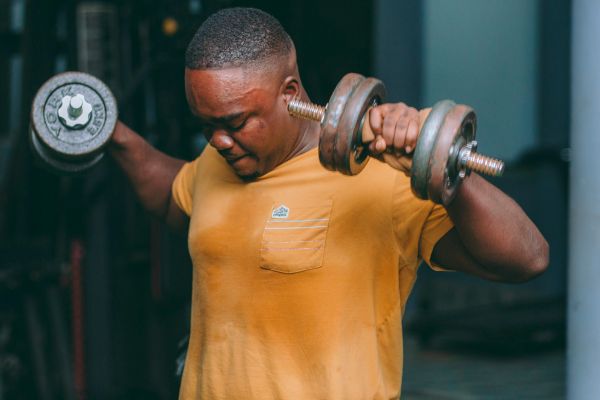
Understanding the difference between fat loss and muscle gain can make fitness feel a lot less confusing. Many people start exercising with a simple goal in mind: they want to look better, feel stronger, and improve their health. But once they begin, they quickly realize that “getting fit” is not always one single process. Losing fat and gaining muscle are related, but they are not exactly the same thing.
The phrase Fat loss vs muscle gain often comes up because both goals can change the way your body looks, but they require slightly different strategies. Fat loss is mainly about reducing stored body fat, while muscle gain is about building lean tissue through training, recovery, and proper nutrition. The tricky part is that people often want both at the same time. And honestly, that is understandable. Most people do not just want to be smaller; they want to feel firm, energetic, and capable.
The good news is that you do not have to choose one forever. You just need to understand how each process works and what your body needs at different stages.
What Fat Loss Really Means
Fat loss is not the same as weight loss, even though the two are often used as if they mean the same thing. Weight loss simply means the number on the scale goes down. That number can drop because of fat loss, water loss, reduced food volume, or even muscle loss. Fat loss, on the other hand, is specifically about reducing body fat while keeping as much lean muscle as possible.
This matters because losing weight too quickly can sometimes lead to muscle loss, low energy, and a softer appearance than expected. Many people chase fast results, only to feel weaker or more tired after a few weeks. A smarter approach is slower, more controlled fat loss that supports your metabolism and keeps your body strong.
Fat loss usually happens when your body is in a calorie deficit. This means you are using more energy than you consume. But that does not mean you need to starve yourself or follow an extreme diet. In fact, aggressive dieting often backfires. Hunger increases, cravings become harder to manage, and workouts can start to feel miserable.
A steady calorie deficit, enough protein, strength training, and daily movement create a much better foundation. It may not sound dramatic, but it works in a way your body can actually maintain.
What Muscle Gain Really Means
Muscle gain is the process of building new muscle tissue. This happens when your muscles are challenged through resistance training and then repaired during recovery. The workout gives your body a reason to adapt. Food, sleep, and rest give it the tools to do so.
Muscle gain usually requires progressive overload, which means gradually asking your muscles to do more over time. That could mean lifting slightly heavier weights, doing more repetitions, improving your form, or increasing training volume. Your body responds to repeated challenge by becoming stronger and more muscular.
Nutrition also plays a major role. To gain muscle efficiently, many people benefit from eating at maintenance calories or in a small calorie surplus. A surplus means eating a little more energy than your body burns. This gives your body enough resources to build tissue. However, the surplus does not need to be large. Eating far more than necessary can lead to unnecessary fat gain along with muscle.
Protein is especially important because it provides the building blocks your muscles need. Without enough protein, even a well-designed workout routine may not produce the results you expect.
The Main Difference Between Fat Loss and Muscle Gain
The biggest difference between fat loss and muscle gain comes down to energy balance. Fat loss usually requires a calorie deficit. Muscle gain is usually easier with enough calories, often maintenance or a slight surplus. That is why people sometimes feel stuck when trying to do both at once.
There is also a difference in how progress appears. Fat loss may show up as a smaller waist, looser clothes, or a lower body fat percentage. Muscle gain may show up as better shape, improved strength, and more definition. The scale may move down during fat loss, but during muscle gain it may stay the same or even go up.
This is where many people get discouraged. They start lifting weights, eat better, and notice their clothes fitting differently, but the scale barely changes. That does not mean nothing is happening. In fact, it may mean your body composition is improving. You may be losing fat while gaining or maintaining muscle.
That is why relying only on body weight can be misleading. Progress photos, measurements, strength levels, and how your clothes fit often tell a more complete story.
Can You Lose Fat and Gain Muscle at the Same Time?
Yes, it is possible to lose fat and gain muscle at the same time, especially for beginners, people returning after a break, or those who have a higher body fat percentage. This process is often called body recomposition.
Body recomposition works best when you combine strength training with a sensible diet. You do not need a crash diet, and you do not need to eat everything in sight. The goal is to give your body enough protein and training stimulus while keeping calories controlled.
For beginners, this can happen surprisingly well because the body is highly responsive to new training. Someone who has never lifted weights before may build muscle even while eating in a mild calorie deficit. For advanced lifters, it becomes harder. Once you already have a lot of training experience, muscle growth is slower and usually requires more precise nutrition and programming.
Still, even if the process is slower, improving body composition is possible for most people with patience and consistency.
Why Strength Training Matters for Both Goals
Strength training is often associated with muscle gain, but it is just as important during fat loss. When you are in a calorie deficit, your body needs a reason to keep muscle. Lifting weights sends that signal. It tells your body, “This muscle is needed.”
Without strength training, weight loss can come from both fat and muscle. That may reduce the number on the scale, but it can also lower strength, affect posture, and make the body look less toned. Cardio can support health and burn calories, but it does not replace the role of resistance training.
A good strength routine does not have to be complicated. Basic movements like squats, presses, rows, deadlifts, lunges, and hip hinges can build a strong foundation. Machines, dumbbells, barbells, resistance bands, and bodyweight exercises can all work. The key is consistency and gradual progress.
Nutrition for Fat Loss Without Losing Muscle
When fat loss is the main goal, your diet should support a calorie deficit without making you feel constantly deprived. Protein should be a priority because it helps preserve muscle and keeps meals more satisfying. Whole foods like eggs, yogurt, chicken, fish, beans, lentils, tofu, lean meats, and cottage cheese can all fit well depending on your eating style.
Carbohydrates should not be feared. They fuel workouts, support recovery, and help you feel better during training. The quality and portion size matter more than cutting them out completely. Rice, oats, potatoes, fruit, whole-grain bread, and vegetables can all be part of a fat-loss diet.
Fats are also important for hormones, mood, and overall health. Nuts, olive oil, avocado, seeds, and fatty fish are examples of useful fat sources. The goal is balance, not punishment.
A common mistake is trying to eat too little. At first, it may seem effective, but it often leads to poor workouts, irritability, overeating later, and loss of motivation. Sustainable fat loss feels structured, not desperate.
Nutrition for Muscle Gain Without Excess Fat
For muscle gain, food becomes more than fuel; it becomes construction material. Your body needs enough calories to support growth, but that does not mean unlimited eating. A small calorie surplus is usually enough for steady progress.
Protein remains important, but carbohydrates become especially useful because they help power hard training sessions. If you want to lift heavier, recover better, and train with intensity, carbs can be your friend. Meals built around protein, carbs, healthy fats, and vegetables tend to work better than random high-calorie snacking.
Muscle gain also requires patience. Many people expect visible changes within a couple of weeks, but real muscle growth takes time. Strength may improve first, then shape and size gradually follow. This slower pace is normal and actually a good sign that the gain is more controlled.
The Role of Cardio in Fat Loss and Muscle Gain
Cardio is often treated as the main tool for fat loss, but it is only one part of the picture. It can help increase calorie burn, improve heart health, and boost endurance. Walking, cycling, swimming, jogging, and sports can all be useful.
However, too much cardio combined with too little food can interfere with recovery and strength progress. That does not mean cardio is bad. It simply needs to match your goal.
For fat loss, moderate cardio and daily walking can help create a calorie deficit without extreme dieting. For muscle gain, cardio can still be included, but it should not be so excessive that it leaves you too tired to train hard. The best cardio routine is one you can recover from and maintain.
How to Decide Which Goal Comes First
Choosing between fat loss and muscle gain depends on your current body composition, comfort level, and personal goal. If you feel you have a higher level of body fat and want to feel lighter, starting with fat loss may make sense. If you are already lean but want more shape, strength, and size, muscle gain may be the better focus.
Some people do best with body recomposition, especially if they are new to training. This approach may be slower on the scale, but it can create meaningful visual changes over time.
The important thing is to avoid switching goals every two weeks. Fitness progress needs time. Pick a direction, follow it long enough to measure results, then adjust. Constantly bouncing between dieting and bulking can leave you feeling like you are working hard but never moving forward.
Common Mistakes That Slow Progress
One major mistake is focusing only on the scale. Body composition changes are not always reflected in daily weight. Water retention, hormones, salt intake, stress, and muscle soreness can all affect the number.
Another mistake is ignoring recovery. Muscles grow when you recover, not just when you train. Poor sleep, high stress, and nonstop workouts can limit both fat loss and muscle gain.
Many people also underestimate how much consistency matters. A perfect plan followed for five days and abandoned on the weekend is less effective than a simple plan followed steadily. The basics may seem boring, but they are powerful when repeated.
Conclusion
The conversation around Fat loss vs muscle gain is really about understanding what your body needs and choosing the right approach for your goals. Fat loss focuses on reducing stored body fat, usually through a controlled calorie deficit, strength training, and smart nutrition. Muscle gain focuses on building lean tissue through progressive training, enough food, proper protein, and recovery.
You can work toward both, especially if you are new to training or returning after time away. But the process requires patience. The body does not change overnight, and the best results usually come from steady habits rather than extreme plans.
In the end, fat loss and muscle gain are not enemies. They are two parts of a stronger, healthier body. When you train with purpose, eat with awareness, and give yourself enough time, progress becomes less about chasing quick changes and more about building a body that feels capable, balanced, and truly your own.