
Body weight is one of the easiest numbers to check, but it rarely tells the full story. Two people can weigh exactly the same and look completely different because their bodies are made up of different amounts of muscle, fat, bone, and water. That is why learning how to measure body fat percentage can be so useful. It gives a clearer picture of body composition than the scale alone.
Body fat percentage simply shows how much of your total body weight comes from fat. It does not mean fat is bad. In fact, the body needs fat for hormone function, insulation, energy storage, and overall health. The goal is not to chase the lowest number possible. The real purpose is to understand your body better, track progress more accurately, and make healthier decisions over time.
Why Body Fat Percentage Matters More Than Weight
The bathroom scale has a way of making people feel either encouraged or disappointed in seconds. But weight can fluctuate for many reasons, including water retention, food intake, salt consumption, hormones, digestion, and exercise. A person may lose fat and gain muscle while the scale barely changes. Another person may drop weight quickly, but much of it may be water or muscle rather than fat.
Body fat percentage offers a better view of what is actually changing. For example, someone starting strength training may notice their clothes fitting better even when their weight stays almost the same. That often happens because muscle is denser than fat. The body may become leaner and more toned without dramatic movement on the scale.
This is why athletes, fitness coaches, and health-conscious people often pay attention to body composition instead of weight alone. It helps separate real progress from normal daily fluctuations.
Understanding What Body Fat Percentage Means
Before looking at different methods, it helps to understand what the number represents. If someone weighs 180 pounds and has 25 percent body fat, roughly 45 pounds of their body weight is fat. The remaining weight includes muscle, bones, organs, water, and other tissues.
Healthy ranges vary depending on age, sex, genetics, and activity level. Women naturally carry more essential body fat than men because of reproductive and hormonal needs. Age also affects body composition, as many people gradually lose muscle and gain fat if they become less active.
It is also important not to treat body fat percentage as a moral score. A lower number does not automatically mean better health. Extremely low body fat can cause fatigue, hormone issues, poor immunity, and other problems. A balanced range is usually far more sustainable than an extreme one.
Measuring Body Fat with Skinfold Calipers
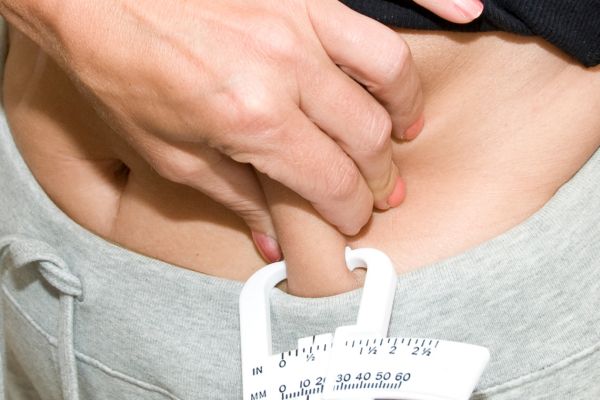
Skinfold calipers are one of the oldest and most common ways to estimate body fat. This method involves pinching the skin and fat at specific areas of the body, then measuring the thickness with calipers. Common measurement sites include the abdomen, thigh, chest, triceps, and hip area.
The results are entered into a formula to estimate total body fat percentage. When done by an experienced person, skinfold testing can be reasonably useful for tracking changes over time. It is also affordable and quick.
However, accuracy depends heavily on technique. If the same spot is not measured each time, or if the person doing the test uses too much or too little pressure, the result can vary. For this reason, skinfold testing works best when the same trained person performs the measurement under similar conditions each time.
For home use, calipers can still be helpful, but the number should be treated as an estimate rather than an exact result.
Using a Body Fat Scale at Home
Many home scales now include body fat percentage readings. These devices usually use bioelectrical impedance analysis, often called BIA. The scale sends a very mild electrical signal through the body and estimates body fat based on how easily the signal passes through different tissues.
Muscle contains more water, so it conducts electricity differently than fat. The scale uses this information, along with details like height, weight, age, and sex, to calculate an estimated body fat percentage.
The biggest advantage is convenience. You can step on the scale at home and get a reading within seconds. This makes it easy to track trends over weeks or months.
Still, BIA scales can be affected by hydration, recent meals, exercise, alcohol intake, and even the time of day. A reading after a salty dinner may look different from a reading first thing in the morning. For better consistency, it is best to measure at the same time of day, ideally in the morning before eating or exercising.
The exact number may not be perfect, but the trend can still be useful.
Tape Measure Method for a Simple Estimate
A tape measure can also help estimate body fat percentage, especially when used with formulas based on body circumference. This method usually includes measurements such as waist, neck, hips, and height. Some formulas differ for men and women because fat distribution patterns are not the same.
The tape measure method is simple, inexpensive, and accessible. You do not need machines, apps, or professional equipment. It can be especially useful for tracking waist size, which is often connected to changes in body fat around the midsection.
To get better results, use a flexible measuring tape and measure the same points every time. Keep the tape snug but not tight. Do not pull it so firmly that it presses into the skin. Small changes in placement can affect the result, so consistency matters.
This method is not as detailed as a laboratory scan, but it can be practical for regular personal tracking.
DEXA Scan for a More Detailed Reading
A DEXA scan is one of the more advanced methods for measuring body composition. It uses low-dose X-ray technology to estimate bone density, lean mass, and fat mass. One benefit of DEXA is that it can show fat distribution in different areas of the body, not just one overall percentage.
For people who want a more detailed assessment, DEXA can be very informative. It is often used in medical, research, and athletic settings. The result tends to be more precise than most home methods.
The downside is cost and availability. You usually need to visit a clinic, lab, or specialized fitness center. It is not something most people do every week. For that reason, DEXA is often better for occasional check-ins rather than daily or weekly tracking.
If someone is serious about understanding body composition in detail, a DEXA scan can provide a strong starting point.
Hydrostatic Weighing and Air Displacement Testing
Hydrostatic weighing, sometimes called underwater weighing, estimates body fat by comparing body weight on land with body weight underwater. The method is based on body density. Since fat and lean tissue have different densities, the results can be used to estimate body fat percentage.
Another similar method is air displacement testing, often done in a machine known as the Bod Pod. Instead of water, it uses air displacement to estimate body volume and density.
Both methods can be fairly accurate when performed correctly. However, they are less convenient than home methods. Hydrostatic weighing requires getting fully submerged in water, which some people find uncomfortable. Air displacement testing is easier but may still require visiting a specialized facility.
These methods are useful, but they are usually not necessary for the average person who simply wants to track fitness progress.
Progress Photos and How Clothes Fit
Not every useful measurement needs to come from a machine or formula. Progress photos and clothing fit can reveal changes that numbers miss. Sometimes body fat decreases slowly, but posture, shape, and muscle definition improve in visible ways.
Taking photos every few weeks under the same lighting, angle, and conditions can help you notice gradual changes. Loose jeans, a better-fitting shirt, or a smaller waist measurement may say more than a single scale reading.
This approach is not scientific in the strict sense, but it is practical. It also keeps the focus on real-life changes rather than obsessing over decimals. For many people, the most meaningful progress is not a specific body fat percentage but feeling stronger, lighter, and more comfortable in their own body.
The Best Time to Measure Body Fat
Timing can make a big difference, especially with home scales and tape measurements. The body changes throughout the day. Food, water, exercise, and digestion can all affect readings.
For the most consistent results, measure in the morning after using the bathroom and before eating or drinking much. Try to avoid measuring right after a workout, a large meal, or a high-sodium day. These can affect water balance and make results look misleading.
It is also better not to measure too often. Daily readings can jump around and create unnecessary frustration. Checking once every one or two weeks is usually enough for most people. The longer-term trend matters more than one isolated reading.
Common Mistakes When Measuring Body Fat
One common mistake is expecting perfect accuracy from every method. Even professional tools can have a margin of error. Body fat percentage is always an estimate unless measured through highly controlled scientific methods, and even then, variation exists.
Another mistake is switching methods too often. If you use a smart scale one week, calipers the next, and a tape formula after that, the numbers may not match. This can make progress confusing. It is usually better to choose one method and use it consistently.
People also sometimes panic over small changes. A one or two percent shift may not mean actual fat gain or loss. It may simply reflect hydration, measurement error, or normal body changes. Looking at the average trend over time is much more helpful.
The biggest mistake, though, is becoming overly attached to the number. Body fat percentage is useful, but it is still only one piece of the health picture. Strength, energy, sleep, blood markers, mobility, and mental well-being matter too.
How to Choose the Right Method for You
The best method depends on your goal, budget, and level of interest. For simple home tracking, a tape measure and progress photos may be enough. If you enjoy data, a body fat scale can help you monitor trends. If you want a more detailed and professional result, DEXA or other lab-based testing may be worth considering.
For most people, consistency matters more than perfection. A method that you can repeat easily is usually more useful than an expensive test you only do once and then forget about.
It also helps to combine methods. For example, you might use a body fat scale once a week, take waist measurements twice a month, and take progress photos every four weeks. Together, these give a fuller picture than any single number.
Healthy Progress Takes Time
Body fat changes do not happen overnight, at least not in a meaningful and lasting way. Quick drops on the scale often reflect water loss rather than true fat loss. Sustainable fat loss usually comes from steady habits, including balanced meals, regular movement, strength training, enough sleep, and patience.
Strength training is especially helpful because it supports muscle mass. When people only focus on cutting calories, they may lose both fat and muscle. But when they combine smart nutrition with resistance exercise, the body has a better chance of becoming leaner while staying strong.
This is where measuring body fat percentage can be motivating. It can show improvements that weight alone may hide. Even if progress feels slow, body composition changes can reveal that your efforts are working.
Conclusion
Learning how to measure body fat percentage is less about chasing a perfect number and more about understanding your body with greater clarity. The scale can only tell you how heavy you are, but body fat measurements can show whether your body composition is changing in a healthier direction.
There are many ways to measure it, from simple tape measurements and home scales to calipers, DEXA scans, and laboratory testing. Each method has strengths and limitations, so the best choice is the one you can use consistently and interpret calmly.
In the end, body fat percentage should be a guide, not a source of pressure. When paired with good habits, realistic expectations, and a focus on overall well-being, it becomes a useful tool for tracking progress in a more honest and balanced way.