
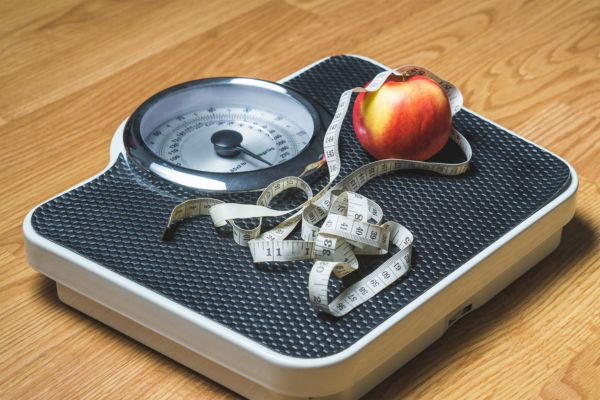
Weight loss is often presented as something dramatic. A new plan, a strict food rule, a sudden fitness routine, a big promise before-and-after moment. But real, lasting weight loss is usually much quieter than that. It happens through steady habits, honest self-awareness, and choices that can fit into normal life without making the body feel punished.
Safe weight loss methods are not about chasing the fastest result. They are about helping the body lose excess weight while still getting enough nourishment, energy, rest, and care. The goal is not simply to become lighter. It is to become healthier in a way that feels sustainable, respectful, and realistic.
Why Safe Weight Loss Matters
Losing weight too quickly can feel tempting, especially when someone is frustrated or wants visible change fast. But harsh diets, extreme calorie cutting, and over-exercising can leave the body tired, irritable, and undernourished. They may also lead to strong cravings, poor sleep, and a cycle of losing and regaining weight.
Safe weight loss works differently. It gives the body time to adjust. It protects muscle, supports metabolism, and encourages habits that can continue after the first few weeks of motivation fade. This matters because weight loss is not just a short project. For most people, it is connected to daily routines, emotions, family meals, work stress, sleep patterns, and movement.
A safe approach feels less exciting at first, but it is often more dependable. It does not ask for perfection. It asks for consistency.
Start With a Realistic Mindset
One of the most important parts of healthy weight loss begins before food or exercise changes. It starts with mindset. Many people begin with pressure, shame, or disappointment in themselves. That may create urgency, but it rarely creates peace.
A better starting point is curiosity. What habits are making weight harder to manage? Is late-night snacking connected to hunger or stress? Are meals too small during the day, leading to overeating later? Is sleep affecting appetite? These questions are more useful than self-criticism.
Safe weight loss methods work best when the goal is improvement, not punishment. Small changes may not feel impressive right away, but they build trust. And trust matters, because the body responds better to steady care than to constant extremes.
Focus on Balanced Meals Instead of Restriction
A common mistake is trying to remove too much from the diet at once. Cutting out entire food groups, skipping meals, or surviving on very small portions may reduce calories temporarily, but it can also make eating feel stressful and unsatisfying.
Balanced meals are more effective for long-term progress. A satisfying plate usually includes protein, fiber-rich carbohydrates, vegetables or fruit, and a small amount of healthy fat. This combination helps keep energy steadier and makes hunger easier to manage.
Protein is especially helpful because it supports muscle and keeps meals filling. Eggs, fish, chicken, beans, lentils, yogurt, tofu, and lean meats can all fit into a weight loss plan. Fiber is also important. Foods like oats, vegetables, fruits, beans, and whole grains help digestion and fullness.
This does not mean every meal has to look perfect. A normal life includes busy mornings, family dinners, celebrations, and days when food choices are limited. The goal is to return to balance often enough that it becomes the usual pattern.
Do Not Ignore Hunger
Many people believe weight loss requires constant hunger. In reality, being too hungry often backfires. When the body is underfed, cravings can become stronger, mood can drop, and overeating becomes more likely later in the day.
Listening to hunger is not the same as eating without limits. It means noticing the body before hunger becomes extreme. A proper breakfast, a filling lunch, or a planned snack may prevent the kind of evening hunger that leads to eating whatever is easiest and fastest.
Safe weight loss is not about fighting the body all day. It is about working with it. When meals are nourishing and regular, food choices usually become calmer.
Create a Gentle Calorie Deficit
Weight loss generally requires using more energy than the body takes in, but the way this is done matters. A gentle calorie deficit is more sustainable than a severe one. It can come from smaller portions, fewer sugary drinks, more home-cooked meals, increased movement, or reducing frequent high-calorie snacks.
The key is not to make the deficit so large that daily life becomes miserable. A plan that leaves someone exhausted, dizzy, or constantly thinking about food is not a healthy plan. It is also unlikely to last.
Simple changes often work better than strict rules. Eating slowly, using smaller portions of calorie-dense foods, adding vegetables to meals, and choosing water more often can reduce intake without making the day feel controlled by dieting.
Move in Ways the Body Can Handle
Exercise supports weight loss, but it should not be treated as punishment for eating. Movement is valuable because it improves fitness, supports muscle, lifts mood, and helps the body use energy more effectively.
Walking is one of the most underrated forms of exercise. It is simple, gentle, and easier to repeat than intense workouts for many people. Strength training is also useful because muscle plays an important role in metabolism and physical confidence. Even basic bodyweight exercises, light weights, or resistance bands can help when done consistently.
The best exercise plan is one a person can actually continue. Some people enjoy gym workouts. Others prefer dancing, cycling, swimming, walking outdoors, or home exercises. Safe weight loss methods leave room for personal preference because consistency grows more easily from enjoyment than force.
Sleep and Stress Affect Progress
Food and exercise get most of the attention, but sleep and stress can quietly shape weight loss. Poor sleep may increase hunger, cravings, and low energy. Stress can also lead to emotional eating or skipped meals followed by overeating.
Improving sleep does not have to be complicated. A steadier bedtime, less screen time late at night, lighter evening meals, and a calmer routine can help. Stress management looks different for everyone, but even small habits such as short walks, deep breathing, prayer, journaling, or talking to someone supportive can make eating feel less reactive.
Weight loss becomes harder when the body feels constantly strained. Rest is not laziness. It is part of health.
Be Careful With Quick Fixes
Detox teas, crash diets, fat-burning pills, and extreme fasting plans often promise fast results. Some may cause temporary water loss, but that is not the same as healthy fat loss. Others may lead to digestive issues, weakness, or unsafe side effects.
A simple rule helps: if a method sounds too dramatic to maintain, it is probably not the best foundation. Safe weight loss methods do not require fear, secrecy, or suffering. They are usually built on ordinary habits repeated with patience.
Anyone with medical conditions, pregnancy, a history of eating disorders, or regular medication should speak with a qualified health professional before making major diet changes. Personal health details matter, and weight loss advice should never ignore them.
Track Progress Without Obsession
Progress is not only measured by the scale. Weight can change because of water, hormones, digestion, salt intake, and many other factors. Watching the scale every day may feel discouraging, even when real progress is happening.
Other signs matter too. Clothes may fit better. Energy may improve. Walking may feel easier. Cravings may become less intense. Blood pressure, blood sugar, or stamina may improve. These changes are meaningful.
Tracking can be helpful when it stays balanced. A food journal, weekly weigh-in, progress photos, or habit checklist can bring awareness. But tracking should support the journey, not turn it into anxiety.
Build Habits You Can Live With
The safest weight loss plan is one that still makes sense months later. It should allow family meals, cultural foods, occasional treats, and normal social life. A person should not have to disappear from joy in order to become healthier.
This is why flexibility matters. One heavier meal does not ruin progress. One missed workout does not mean failure. The real question is what happens most of the time. Healthy habits become powerful when they are repeated, adjusted, and returned to without drama.
Weight loss is not about becoming perfect. It is about becoming more consistent than before.
A Healthier Way Forward
Safe weight loss methods are built on patience, nourishment, movement, rest, and self-respect. They do not promise overnight transformation, but they offer something more valuable: a way of losing weight that protects health and supports real life.
The most effective changes are often the ones that feel almost ordinary. Better meals. More steps. Enough protein. More water. Less mindless snacking. A regular sleep routine. These habits may seem small, but together they can change the body’s direction.
In the end, safe weight loss is not just about reaching a number. It is about learning how to care for the body in a way that can continue after the weight is lost. That kind of progress is slower, yes, but it is steadier, kinder, and far more likely to last.